Direct answer
A self-hosted AI interview platform runs on infrastructure your team controls instead of only on a vendor-hosted cloud. Teams self-host when they need data control, custom providers, internal deployment rules, or deeper product customization.
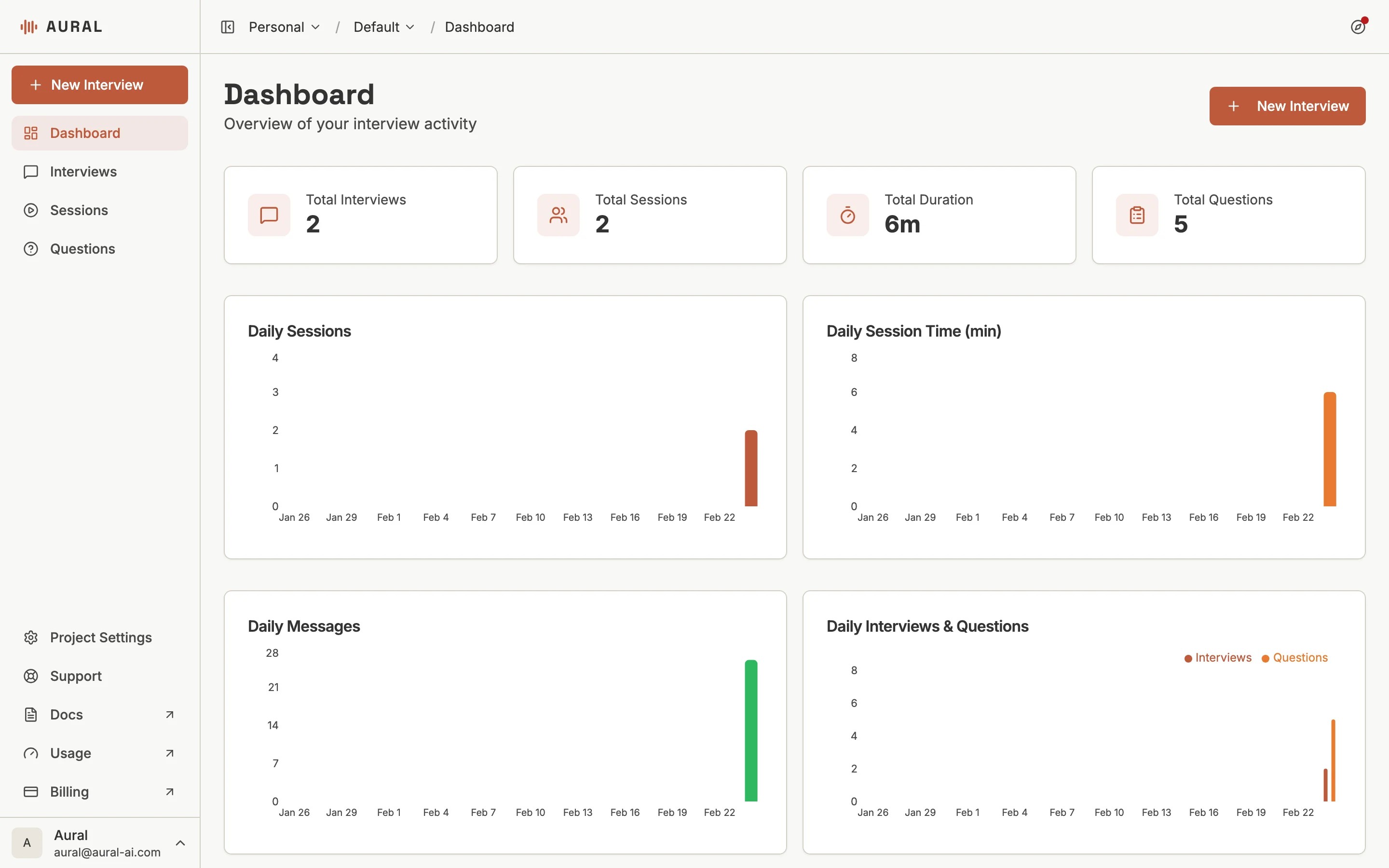
Self-hosting is attractive because it gives control. It can also be underestimated. Interview platforms touch authentication, databases, storage, email, recordings, transcripts, AI providers, and operational monitoring. Before you self-host, decide whether the control is worth the responsibility.
When Self-Hosting Makes Sense
- You need interview data to stay inside a controlled environment.
- You want to use specific LLM, speech, or storage providers.
- You plan to customize interview flows or internal integrations.
- Your organization prefers open-source deployment for strategic tools.
What to Plan
| Area | Questions to answer |
|---|---|
| Application hosting | Where will the web app and voice services run? |
| Database and storage | How will transcripts, recordings, backups, and retention work? |
| AI providers | Which LLM, speech-to-text, and text-to-speech services are approved? |
| Security | Who owns secrets, logs, access review, monitoring, and incident response? |
Cloud vs. Self-Hosted
The hosted Aural product is the fastest way to start. Self-hosting is the control path. Many teams should validate the workflow in cloud first, then self-host once they know the interview process is worth operationalizing.
See the answer-first docs page: Self-Hosted AI Interview Platform.